
The Wii was going to be a Revolution for Nintendo, so much so that it was its codename.
From a Failure to a Success
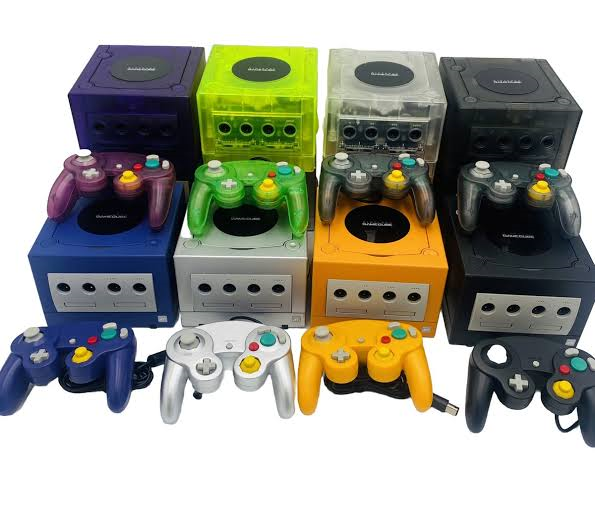
The Nintendo GameCube introduced Nintendo to CD-based games, but struggled against the PlayStation 2 and original Xbox. Despite games like Mario Kart: Double Dash!!, Luigi’s Mansion, and Animal Crossing, the GameCube sold only 21 million units.
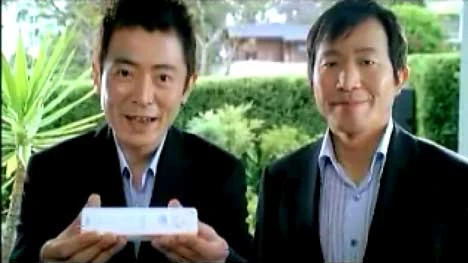
Realising that competing with Nintendo’s next console would take a different approach. Rather than competing on hardware power, Satoru Iwata wanted to make gaming accessible to everyone. The centerpiece was a motion-sensitive controller inspired by a TV remote, with modular accessories.
E3 2005
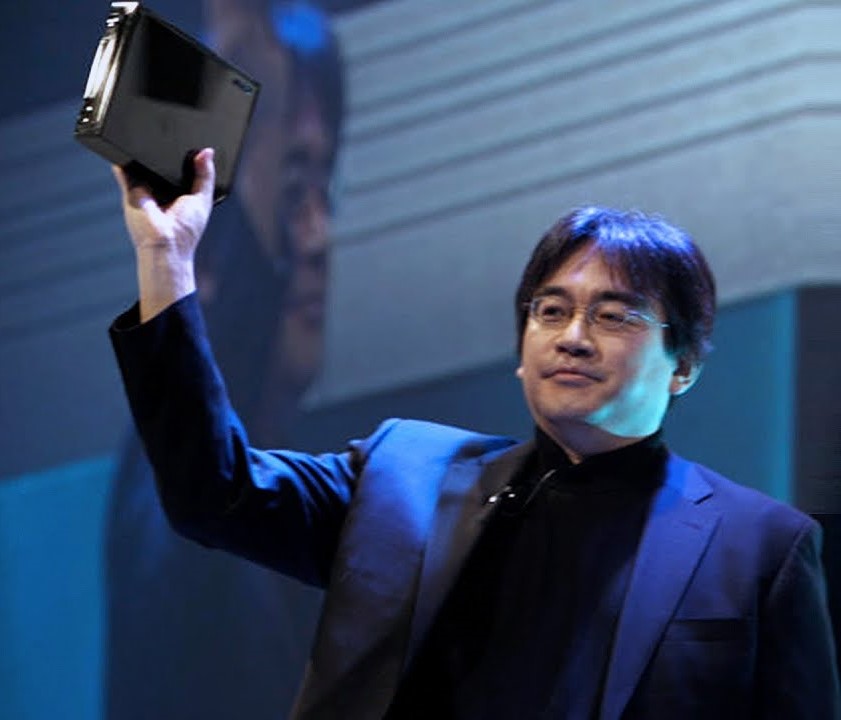
Nintendo revealed the Nintendo Revolution prototype and its unusual new controller at E3 2005. The design immediately stood out from previous consoles.
The Next Year, During E3 2006…
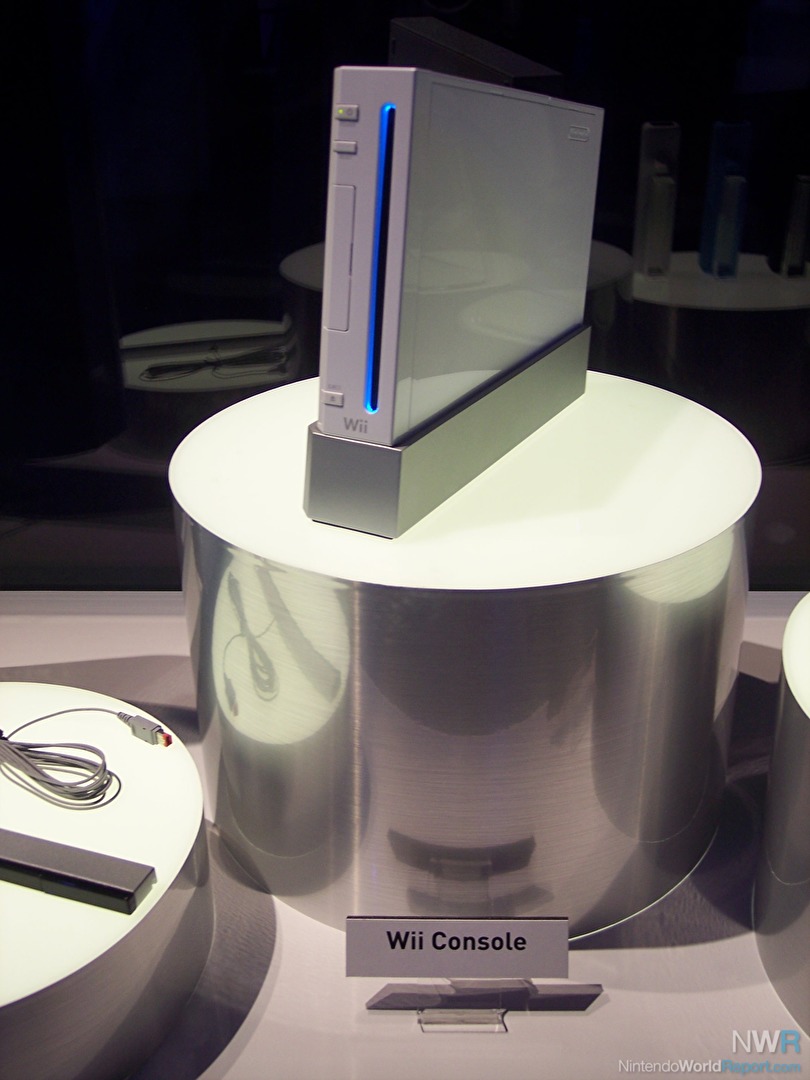
At E3 2006, Nintendo officially revealed the console’s new name: The Nintendo Wii. It would also be Nintendo’s first console with built-in Wi-Fi.
As launch approached, Reggie Fils-Aimé pushed for Nintendo of America to launch the Wii in the Americas before Japan. He also argued that Wii Sports should be included with the console to demonstrate the Remote’s motion controls.
Iwata was hesitant, while Shigeru Miyamoto favored Wii Play. The compromise kept Wii Sports as the pack-in game and paired Wii Play with an additional Wii Remote—helping Nintendo showcase the system’s unique controls.
The Controllers
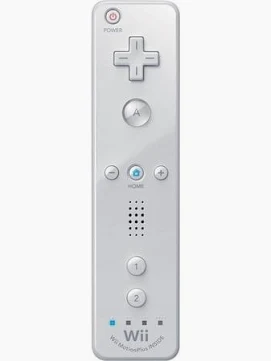
The Wii Remote
The centerpiece of the Wii experience, using motion controls to make games more intuitive and accessible.
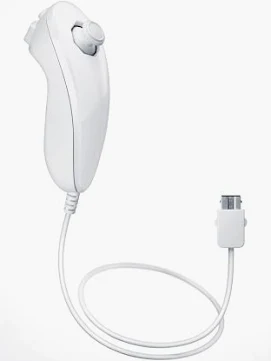
The Nunchuck
Added an analog stick and additional buttons to the Wii Remote, giving players more traditional controls alongside motion input.
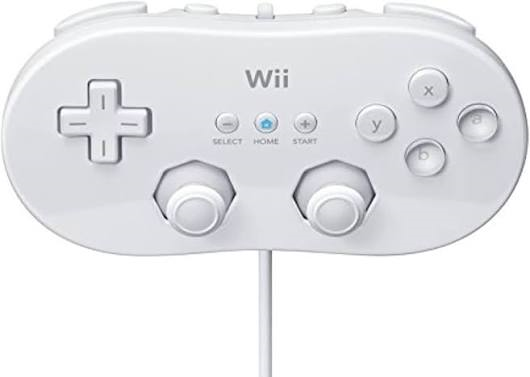
The Classic Controller
Provided a more traditional gamepad layout for games that didn’t rely heavily on motion controls.
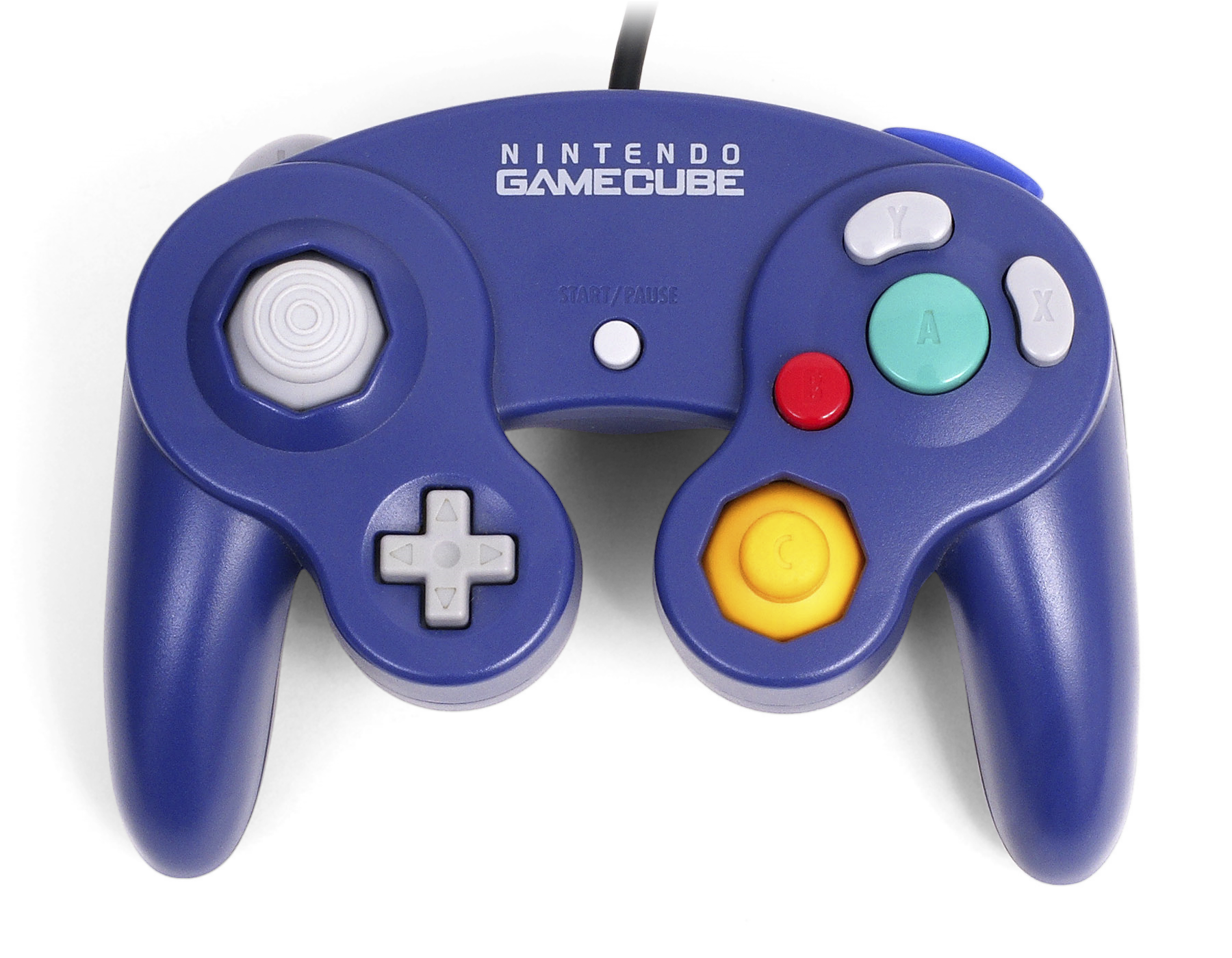
The GameCube Controller
The Wii retained compatibility with GameCube controllers, allowing players to use familiar controls for GameCube games and select Wii titles.